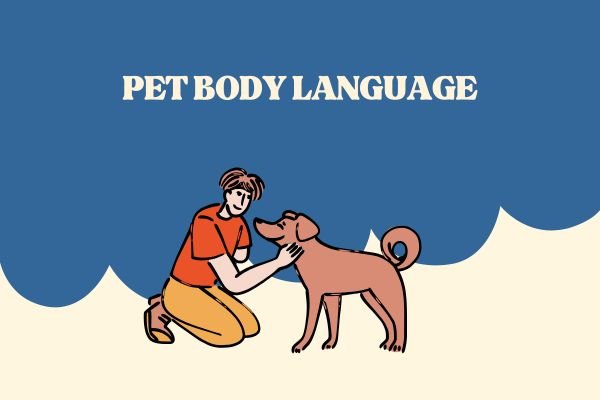
Pets communicate constantly—even though they can’t speak. From tail twitches to posture changes, ear positions to eye movements, your pet’s body language reveals crucial information about their physical and emotional health. When pet parents learn to interpret these signals, they gain powerful insights that support early diagnosis, prevent suffering, and strengthen the human–animal bond.
Why Understanding Pet Body Language Is Essential for Health
Early Detection of Health Problems
Animals instinctively hide weaknesses—especially cats and small prey animals—because vulnerability signals danger in the wild.
This means many pets show early symptoms through body language, not loud complaints.
Recognizing these early signs can:
- prevent severe illness
- reduce vet bills
- shorten recovery time
- improve life expectancy
Emotional Wellness & Stress Signals
Chronic stress in pets leads to:
- suppressed immune function
- digestive issues
- destructive behavior
- anxiety-based illnesses
Body language is the clearest way to spot stress before it escalates.
Fundamentals of Pet Body Language
Though each species has unique signals, a few universal cues apply to most animals.
Posture & Movement
Watch for:
- stiffness
- slow rising
- hesitation to jump
- limping or favoring a limb
- hunched or guarded posture
These indicate pain, digestive discomfort, or joint issues.
Tail Signals
Dogs:
- Wagging low & slow = cautious
- High, rigid tail = tension
- Tucked tail = fear or pain
Cats:
- Rapid tail tip flicking = irritation
- Puffed tail = shock or fear
- Tail low & still = discomfort
Facial Expressions
Eyes, ears, and mouth reveal emotional and physical states.
Key indicators:
- squinting = pain or eye irritation
- dilated pupils = fear or stress
- pinned ears = fear or aggression
- excessive panting = overheating or anxiety
Dog Body Language and Health Indicators
Dogs often communicate discomfort or stress before vocalizing it.
Signs of Pain in Dogs
Look for:
- unusual panting when not hot
- trembling or shaking
- reluctance to move
- avoiding stairs
- licking or biting a specific area
- holding head low or ears back
If pain persists, contact a vet.
Stress & Anxiety Signals in Dogs
Dogs exhibit emotional changes through body tension.
Common signs:
- yawning when not tired
- whale eye (visible whites)
- tightly closed mouth
- pacing
- hiding behind owners
Stress may stem from loud environments, changes in routine, or underlying health issues.
Digestive or Internal Issues
Subtle signs include:
- bloated stomach
- hunching over
- repeated stretching (prayer position)
- drooling excessively
This may indicate pancreatitis, gas buildup, or abdominal pain.
Cat Body Language and Health Indicators
Cats are experts at hiding discomfort, so small cues matter tremendously.
Signs of Pain in Cats
- hiding more than usual
- flattened ears
- decreased appetite
- reduced grooming
- stiff walking
- squinting or keeping one eye closed
A cat that stops jumping onto high surfaces likely has early arthritis or joint pain.
Stress & Anxiety Signals in Cats
Cats communicate stress subtly:
- rapid tail tip flicking
- dilated pupils
- sudden grooming
- growling or swatting
- excessive vocalization
Long-term stress can lead to conditions like FLUTD (urinary problems).
Silent Illness Indicators
Cats may show:
- decreased grooming → illness or dental pain
- overgrooming → allergies or anxiety
- sitting in a loaf position frequently → abdominal discomfort
Never ignore changes in posture or routine.
Body Language in Small Pets (Rabbits, Guinea Pigs, Birds)
Small pets hide illness even more than dogs or cats.
Rabbit Signals
Signs of distress:
- loud tooth grinding (pain)
- sitting in a tight loaf
- refusing food
- rapid breathing
- sudden aggression
A quiet rabbit that stops eating must see a vet immediately.
Bird Signals
Birds show illness through:
- feather puffing
- tail bobbing while breathing
- sitting at cage bottom
- decreased vocalization
- wing drooping
Changes can be sudden and severe.
Guinea Pig Signals
Guinea pigs communicate through sound and posture.
Signs of discomfort:
- long periods of freezing
- loud squealing during handling
- teeth chattering
- hiding excessively
Using Body Language to Monitor Daily Health
Daily observation helps you track subtle shifts.
Appetite & Energy Shifts
Body language changes often appear alongside:
- reduced appetite
- increased thirst
- sleeping more
- avoiding play
These suggest early illness.
Mobility & Gait Changes
Watch how your pet moves daily.
Signs of concern:
- limping
- stiff walking
- trouble jumping
- slowing down
Mobility issues may indicate arthritis, injury, or nerve problems.
Grooming Behavior Patterns
Healthy grooming is consistent and calm.
Issues arise when:
- grooming increases (stress, allergies)
- grooming decreases (pain, illness)
- fur becomes tangled or oily (internal problems)
Body Language During Pet Interactions
Pets also communicate health concerns in social situations.
Aggression or Withdrawal
Unusual aggression may indicate:
- pain
- fear
- neurological issues
Withdrawal from people or other pets may signal depression or illness.
Changes in Social Behavior
Sudden clinginess or neediness can stem from:
- anxiety
- hormonal changes
- environmental stress
Understanding these shifts helps you respond appropriately.
Environmental Triggers That Influence Pet Body Language
Fear-Based Responses
Pets may react strongly to:
- visitors
- fireworks
- storms
- new animals in the house
Fear behavior includes:
- crouching
- shaking
- hiding
- panting (dogs)
- raised hackles
Allergies & Skin Irritation Signals
Allergic reactions cause:
- scratching
- rubbing eyes
- licking paws
- shaking head
Body language relating to discomfort is often mistaken for behavioral issues.
How to Respond to Concerning Body Language
Calming Techniques
To help your pet relax:
- provide a quiet room
- offer gentle petting
- use calming music
- allow hiding spaces
- maintain predictable routines
When to Visit the Veterinarian
Seek medical attention for:
- sudden behavior changes
- persistent hiding
- extreme lethargy
- limping longer than 24 hours
- signs of pain or bloating
- vomiting paired with behavior changes
Trust your instincts—if something feels off, check with your vet.
Also check: How to Boost Your Pet’s Lifespan
Common Mistakes Owners Make
Assuming Pets “Act Out”
What looks like misbehavior may actually be:
- pain
- nausea
- stress
- fear
Never punish symptoms of discomfort.
Punishing Stress Signals
Reprimanding fear only increases anxiety.
Instead:
- identify triggers
- provide reassurance
- modify the environment
FAQs
1. How often should I monitor my pet’s behavior?
Daily. A few minutes of observation can reveal early health signs.
2. Do pets hide pain?
Yes—especially cats and prey animals like rabbits.
3. What’s the most common sign of illness?
Changes in appetite, grooming, or social behavior.
4. Why does my pet become clingy when sick?
Sick animals seek comfort and security.
5. How can I tell if behavior changes are medical or emotional?
If in doubt, visit a vet—medical issues and emotional stress often overlap.
6. Are pets more vocal when in pain?
Sometimes, but many pets become quieter instead.
Conclusion
Understanding pet body language is one of the most powerful tools for early health monitoring. When you learn to spot subtle posture changes, eye signals, tail movements, and grooming habits, you gain the ability to detect health issues before they worsen. This knowledge helps you support your pet’s emotional comfort, physical health, and overall happiness—every single day.
Your pet depends on you to read the signs they can’t speak. The more you observe and interpret, the safer and healthier their life becomes.