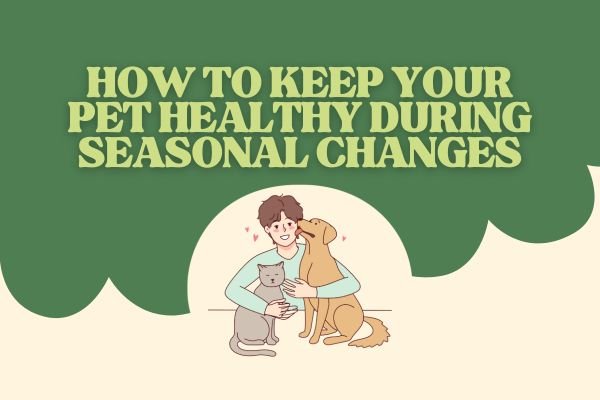
The world of a pet is intricately linked to the rhythm of the seasons. Just as humans adapt their routines and wardrobes to accommodate the changing climate, our animal companions undergo a series of physical and behavioral shifts. While many of these changes are a normal part of a pet’s life, they also bring unique challenges and health risks that require a proactive and vigilant approach. From the blossoming of spring to the freezing temperatures of winter, a pet’s well-being depends on the foresight and attention of their owner.
Successfully navigating these transitions is a fundamental part of responsible ownership. It goes beyond simply noticing a change in shedding or energy levels; it involves a deeper understanding of the health and safety issues that are more prevalent in each season. This comprehensive guide will walk you through the essential aspects of seasonal pet care, providing you with the knowledge to anticipate potential problems and adjust your pet’s routine, diet, and environment to ensure they remain happy and healthy all year long.
The Science of Seasonal Change for Pets
A pet’s body is a finely tuned system, and its biological responses are dictated by environmental cues. Temperature, humidity, and the length of daylight all play a crucial role in regulating a pet’s metabolism, coat growth, and immune system. As the seasons change, so do these factors, leading to a cascade of physiological and behavioral adaptations. Understanding this natural cycle is the first step in providing effective seasonal pet care.
For example, a pet’s coat and skin are highly sensitive to seasonal shifts. Changes in temperature and humidity can lead to dry, flaky skin in the winter or an increase in oil production in the summer. A pet’s coat will also thicken or thin out to adapt to the climate, a process known as “blowing their coat,” which accounts for the dramatic increase in shedding we see in many breeds during the spring and fall. These natural changes, while normal, can present new vulnerabilities, making proactive care essential.
Spring: The Season of Renewal and Allergies
Spring is a time of renewal and increased activity, but it also marks the beginning of allergy season and the return of bothersome parasites. Being proactive during this season is key to preventing a host of health issues.
Managing Seasonal Allergies
Just like humans, pets can suffer from seasonal allergies. As pollen counts rise and plants begin to bloom, many animals experience an allergic reaction that can manifest in a number of uncomfortable ways.
- Common Symptoms: Watch for signs of allergies, which often appear as itchy, red skin, constant scratching, licking or chewing at paws, and runny eyes or nose. The most common allergen for pets is pollen, but mold spores and certain grasses can also be culprits.
- Wiping Down Paws: After a walk or time spent outside, use a damp cloth or a pet-safe wipe to clean your pet’s paws and coat. This simple step can remove a significant amount of pollen and other allergens before they are tracked into your home or licked off your pet’s body.
- Consulting a Professional: For more severe allergies, a professional may recommend allergy-specific shampoos, dietary changes, or in-clinic treatments. Never give a pet human allergy medication without professional guidance, as many can be toxic.
Parasite Prevention
With warmer weather comes the return of fleas, ticks, and mosquitoes. These parasites are not just an annoyance; they can transmit serious and even fatal diseases.
- Year-Round Vigilance: While parasite prevention is a year-round necessity, it’s crucial to be extra vigilant in the spring as these pests become more active.
- Choosing the Right Product: There is a wide range of preventive products available, including topical treatments, oral medications, and special collars. Consult with your pet’s healthcare provider to choose the best option for their lifestyle and local environment.
- Understanding the Risks: Mosquitoes transmit heartworm, a deadly disease that is easily preventable. Ticks can carry Lyme disease, anaplasmosis, and other illnesses. Regular checks of your pet’s coat for ticks are highly recommended, especially after walks in wooded or grassy areas.
Spring Cleaning and Diet Adjustments
As a pet’s activity level increases with the warmer weather, their dietary needs may shift.
- Adjusting Calories: A pet that was less active during the winter months may need a slight reduction in their calorie intake as they become more active. Conversely, a pet that is now exercising more may need an increase in food to support their energy needs.
- Pet Food Storage: Take this time to clean out your pet’s food containers and bowls. Storing food properly is vital to preventing bacterial growth and keeping it fresh.
Summer: Heat, Hazards, and Hydration
Summer brings long days and warm nights, but it also presents a number of serious health risks, with heatstroke being the most dangerous.
Heatstroke Prevention
Heatstroke is a life-threatening condition that can occur rapidly, even on a moderately warm day. It is a critical concern for all pets, but especially for brachycephalic (short-nosed) breeds like Pugs and Bulldogs, as well as older or overweight pets.
- Never Leave a Pet in a Car: The interior of a car can reach life-threatening temperatures in a matter of minutes, even with the windows cracked. Never, under any circumstances, leave a pet in a parked car.
- Walk in Cooler Hours: Schedule walks and outdoor play during the early morning or late evening when temperatures are at their lowest.
- Provide Shade and Rest: When outdoors, always ensure your pet has access to shade and a comfortable place to rest.
- Recognize the Signs: The early signs of heatstroke include excessive panting, drooling, lethargy, and a staggered gait. As it progresses, symptoms can include vomiting, diarrhea, and collapse. If you suspect heatstroke, act immediately: move your pet to a cool place, wet their body with cool (not cold) water, and seek emergency help at once.
Hydration is Key
Dehydration can occur quickly in the heat. It is a vital part of seasonal pet care to ensure your pet is well-hydrated.
- Constant Access to Fresh Water: Always provide an ample supply of fresh, clean water both indoors and outdoors.
- Add Water to Food: For pets that are reluctant to drink, you can add water to their food or offer a pet-friendly broth to increase their fluid intake.
- Consider a Fountain: Many pets prefer drinking from a fountain with running water, as it can be more appealing and fun.
Outdoor and Water Safety
Summer activities bring new environmental risks that pet owners should be aware of.
- Hot Pavement: Pavement can become hot enough to burn a pet’s paws. Test the pavement with your hand for five seconds before walking your pet. If it’s too hot for your hand, it’s too hot for their paws.
- Swimming: If your pet enjoys swimming, ensure they have a life vest, especially in open water. Never leave them unattended. After a swim, rinse your pet’s coat to remove any chlorine or other chemicals that can irritate their skin.
Autumn: The Transition to Colder Weather
Autumn is a beautiful time of year, but as the weather cools, it is time to prepare your pet’s body for the coming winter and to be aware of the unique hazards of the season.
Grooming for Colder Temperatures
Autumn is a prime time for shedding as pets prepare to grow their thick winter coats.
- Regular Brushing: Regular brushing during this period is crucial to remove dead hair and dander. For double-coated breeds, an undercoat rake is a highly effective tool for removing loose hair, which will prevent matting and make their coat more efficient at keeping them warm.
- Skin Hydration: As the air becomes drier, a pet’s skin can become flaky and itchy. Adding a skin and coat supplement rich in Omega-3 and Omega-6 fatty acids to their diet can help to keep their skin healthy and reduce irritation.
Holiday Hazards
Autumn and winter bring holidays, and with them, a host of potential hazards for pets.
- Toxic Foods: Never feed your pet human holiday foods, many of which can be toxic. Onions, garlic, grapes, raisins, and especially chocolate are highly dangerous.
- Decorations: Be mindful of decorations like tinsel, which can cause intestinal blockages, and small ornaments that a pet could choke on.
- Stress: The influx of visitors and the disruption of a pet’s normal routine can cause stress and anxiety. Ensure your pet has a quiet, comfortable space to retreat to if they feel overwhelmed.
Also check: Vet-Approved Tips to Boost Your Pet’s Immune System Naturally
Parasite Vigilance
While many people think of parasites as a summer problem, they can remain active well into the fall, especially in areas with mild weather.
- Continued Prevention: Continue your pet’s flea, tick, and heartworm prevention medication until instructed otherwise by your pet’s healthcare provider.
- Outdoor Checks: Continue to check your pet for ticks after walks, as they can be found in leaf piles and other outdoor debris.
Winter: Colder Temperatures and Indoor Life
Winter brings a new set of challenges, from the cold itself to the hazards of an entirely indoor lifestyle.
Protecting Paws and Skin
A pet’s paws are vulnerable to the elements in winter.
- Salt and Ice Melt: Salt and chemical ice melts used on roads can be extremely irritating to a pet’s paws and can be toxic if ingested. Wipe your pet’s paws after every walk, or consider using booties to protect them.
- Paw Balm: A pet-safe paw balm can help to moisturize and protect their paw pads from cracking.
- Dry Skin: The dry indoor air from heating systems can cause a pet’s skin to become dry and itchy. Consider using a humidifier to add moisture to the air and help keep their skin healthy.
Indoor Enrichment and Weight Management
With less outdoor time, a pet’s energy and metabolism can slow down.
- Preventing Weight Gain: The combination of reduced exercise and holiday treats can lead to weight gain. Monitor your pet’s food portions carefully and resist the urge to overindulge them.
- Mental Stimulation: Combat boredom by providing indoor games and enrichment. Puzzle feeders, hide-and-seek with toys, and short training sessions are excellent ways to keep a pet mentally engaged and physically active.
Staying Safe in the Cold
Not all pets are built for cold weather.
- Know Their Limits: Short-haired, elderly, or very young pets have a low tolerance for cold. Short walks for bathroom breaks are sufficient. Never leave a pet outside for an extended period in freezing temperatures.
- Signs of Hypothermia: Watch for signs of hypothermia, which include shivering, lethargy, and a weak pulse.
- Protection for Older Pets: Pets with arthritis may experience increased stiffness and pain in the cold. A supportive, elevated bed can help to keep them warm and comfortable.
Conclusion: The Year-Round Mindset
Caring for a pet is a year-round commitment, and successful seasonal pet care is about anticipating change rather than reacting to it. By adopting a proactive mindset, you can move from a state of frustration with pet-related issues to a position of informed and empowered care. From a change in diet and grooming to vigilance against environmental hazards, every small adjustment you make contributes to a healthier, happier life for your companion. The knowledge and effort you invest in their well-being will be rewarded with a bond that remains strong and healthy, no matter what the weather brings.