Seasonal changes don’t just affect humans—they also impact our pets. From shedding in the summer to battling dry skin in the winter, your pet’s grooming needs shift dramatically throughout the year. Knowing how to adjust your grooming routine can make all the difference in their health, comfort, and happiness.
Understanding the Importance of Seasonal Grooming
Seasonal grooming is about more than keeping your pet clean—it’s a vital part of maintaining their physical well-being. As temperatures and humidity levels change, so does your pet’s skin and coat condition. Without proper care, pets can develop problems like matting, itching, or even heat-related illnesses.
Regular grooming not only removes dirt and dead hair but also helps regulate body temperature and improves circulation. It’s your first line of defense against seasonal stressors like excessive shedding, dry air, and extreme temperatures.
How Seasons Affect Pet Skin and Coat
In summer, pets naturally shed to stay cool, while in winter, they grow thicker coats to trap warmth. These changes are driven by daylight and temperature variations.
However, if not properly managed:
- Summer heat can cause greasy buildup, odor, and skin irritation.
- Winter cold can lead to dryness, flaking, and brittle fur.
Balancing your grooming routine ensures your pet remains comfortable no matter the season.
Role of Grooming in Preventing Seasonal Health Issues
Consistent grooming helps prevent:
- Heatstroke (by removing excess fur and allowing airflow)
- Frostbite (by ensuring fur isn’t matted or damp)
- Allergies (by removing pollen and dander buildup)
By adjusting grooming frequency and products according to the weather, you can protect your pet from seasonal discomfort and serious health risks.
Summer Grooming Tips for Pets
When the temperature rises, pets rely on efficient grooming to stay cool and clean. Here’s how to adapt your routine for the hot months.
Brushing and Shedding Control in Summer
Summer means shedding season! Regular brushing removes loose fur, reducing heat buildup and matting.
- Dogs: Brush daily during peak shedding. Use de-shedding tools like the Furminator.
- Cats: Gentle brushing 2–3 times a week helps prevent hairballs.
Bathing Frequency in Warm Weather
Frequent baths help remove sweat, dirt, and allergens.
- Dogs: Every 3–4 weeks (or sooner if active outdoors).
- Cats: Only when visibly dirty or smelly.
Use mild, cooling shampoos with aloe vera or oatmeal for hydration.
Paw and Nail Care in Summer
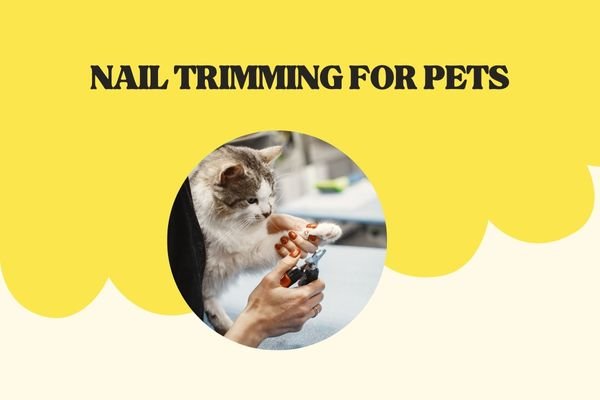
Hot pavement can burn paws. Apply paw balms or booties during walks. Trim nails regularly to prevent splits caused by dry heat.
Hydration and Skin Protection
Provide plenty of fresh water and consider pet-safe sunscreens for light-skinned or hairless breeds.
Cooling Accessories and Haircuts
Avoid shaving too close—fur protects against sunburn. Instead, opt for light trims and cooling mats for relief.
Winter Grooming Tips for Pets
Winter brings new challenges: dry air, cold winds, and reduced outdoor activity. Proper grooming keeps skin moisturized and coats insulated.
Managing Dry Skin and Static
Cold air can cause flaky skin and static-filled fur. Use a humidifier indoors and apply leave-in conditioners after brushing.
Bathing Tips for Cold Weather
Reduce bath frequency to once every 6–8 weeks. Use warm (not hot) water and thoroughly dry your pet to avoid chills.
Paw and Coat Protection from Cold
Snow, ice, and road salts can irritate paws. After walks, rinse and dry paws, applying pet paw balm to prevent cracking.
Nutrition for a Healthy Winter Coat
A diet rich in omega-3 fatty acids supports skin hydration and coat shine. Foods like salmon oil or flaxseed can help maintain a glossy coat during cold months.
Differences Between Dog and Cat Grooming Needs
Dogs’ Seasonal Grooming Changes
Dogs often undergo a “coat blow” twice a year—spring and fall. Breeds like Huskies, German Shepherds, and Golden Retrievers shed heavily during this time. Consistent brushing and proper bathing schedules are key.
Cats’ Self-Grooming Adjustments
Cats groom themselves year-round but still need help during seasonal transitions. Long-haired cats may require detangling, especially in humid summer conditions or dry winter air.
Grooming Tools and Products for Each Season
Summer Must-Haves
- Slicker brush or shedding rake
- Cooling shampoos with aloe or cucumber extract
- Paw balms and sun protection sprays
Winter Essentials
- Moisturizing shampoos and conditioners
- Anti-static brushes or grooming gloves
- Pet-safe paw wax for protection from ice and salt
Keep separate grooming kits for each season to simplify your routine.
Also check: How Often Should You Bathe Your Pet?
Common Mistakes in Seasonal Grooming
Overbathing and Overtrimming
Too many baths strip natural oils, while trimming too short can expose pets to sunburn (summer) or chills (winter). Always maintain a moderate schedule.
Ignoring Environmental Changes
Humidity levels, indoor heating, and outdoor exposure all affect grooming needs. Adjust bathing and brushing routines as the weather shifts.
Professional Grooming vs. At-Home Grooming
Benefits of Regular Grooming Appointments
Professional groomers can identify skin issues early and tailor treatments to seasonal conditions. They use specialized tools to manage coat health without damaging fur.
DIY Grooming Safety Tips
At-home grooming is great if done safely. Always use pet-specific products, maintain gentle pressure when brushing, and keep the grooming area warm in winter or cool in summer.
FAQs About Seasonal Pet Grooming
Not completely. Fur provides insulation against heat and UV rays. Opt for light trims instead.
Use moisturizing shampoos, omega-rich diets, and a humidifier to maintain skin hydration.
Yes. Indoor heating and air conditioning can still affect coat condition and moisture levels.
Watch for flakes, dull fur, or excessive scratching—signs of dryness needing attention.
Preferably not. Switch between cooling summer shampoos and moisturizing winter ones to match seasonal needs.
Conclusion: Keep Your Pet Healthy Through Every Season
Seasonal grooming isn’t just about appearance—it’s about adapting your care routine to support your pet’s changing needs.
In summer, focus on hydration, cooling, and shedding control.
In winter, prioritize moisture, insulation, and protection from harsh elements.
By tailoring your grooming habits to the seasons, you’ll not only keep your pet looking great but also promote comfort, skin health, and happiness throughout the year.