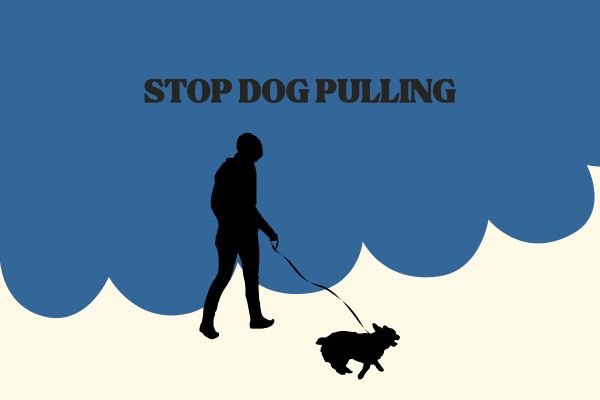
Walking your dog should be a relaxing, enjoyable experience—not a daily tug-of-war. Yet many pet parents struggle with dogs that pull excessively on the leash, making walks stressful, exhausting, or even dangerous. Whether you have a puppy learning the ropes or an adult dog with long-standing habits, the good news is that leash pulling can be fixed with the right techniques, patience, and tools.
Why Dogs Pull on the Leash
Pulling isn’t stubbornness—it’s natural dog behavior.
Excitement & Overstimulation
Many dogs pull because:
- New smells
- Other dogs
- People
- Motion around them
Dogs naturally walk faster than humans, making pulling easy.
Lack of Leash Training
Walking calmly on a leash isn’t instinctive—it must be taught.
Reinforcement of Bad Habits
Every time your dog pulls and moves forward, they learn:
“Pulling works!”
Training replaces this with:
“Walking calmly gets me where I want to go.”
Tools You Need for Effective Leash Training
Choosing the right tools makes training easier and safer.
No-Pull Harnesses
Better control, less pressure on the neck.
Benefits:
- Front-clip design reduces pulling
- Prevents choking
- Provides safer handling for strong dogs
Standard Leashes vs. Retractable
Avoid retractable leashes—they:
- Encourage pulling
- Offer little control
- Are unsafe for busy streets
Use a 4–6 foot standard leash.
High-Value Treats & Clickers
Treats should be:
- Small
- Soft
- Irresistible
Clickers and marker words (“Yes!”) make communication clear.
Step-by-Step Loose-Leash Walking Training
Step 1 – Start Indoors or in the Backyard
Low-distraction practice builds focus.
- Walk a few steps
- Reward calm behavior
Step 2 – Reward Eye Contact & Focus
Teach your dog to check in with you.
Step 3 – The “Be a Tree” Method
When your dog pulls:
- Stop walking
- Stand still
- Wait for slack in the leash
- Move forward only when they return
Dogs quickly learn:
Pulling = no moving forward.
Step 4 – The “Turn and Walk Away” Technique
If your dog lunges ahead:
- Turn quietly
- Walk in the opposite direction
- Reward when they follow
This builds attention.
Step 5 – Short, Frequent Training Sessions
3–5 minutes at first
Frequent breaks keep the dog engaged.
Advanced Training Methods for Stubborn Pullers
Heel Command Training
Dogs walk at your side with full focus.
Teach using:
- Luring
- Treat placement
- Slow step progression
Pattern Games (Like “1-2-3 Walking”)
Say:
- “1…2…3!”
Reward at “3” when the dog is close.
Reward Zone Training
Rewards only happen beside your leg.
This teaches dogs the “sweet spot.”
How to Use Positive Reinforcement Effectively
Training must be consistent.
Treat Timing
Reward within 1 second of desired behavior.
Marker Words & Clickers
Clear cues make learning faster.
Reduce Treats Gradually
After progress:
- Switch to praise
- Use treats intermittently
Fixing Pulling Caused by Distractions
Training Around Other Dogs
Practice:
- Distance walking
- Calm greetings
- Sitting before meeting other dogs
Building “Leave It” & “Watch Me”
Essential for city sidewalks or parks.
Managing Prey Drive
Use:
- Shorter leashes
- Harness + backup clip
- Higher-value treats
Mental & Physical Exercises That Reduce Pulling
Tired dogs pull less.
Pre-Walk Play Sessions
Burn energy with:
- Fetch
- Tug
- Quick training games
Nose Work & Puzzle Toys
Mental exercise is just as important.
Short Walks with Training Stops
Practice:
- Sit
- Stay
- Focus
This slows their pace naturally.
Also check: How to Train Your Dog to Be Alone Without Anxiety
How to Handle Special Cases
Puppies Learning Leash Basics
Keep sessions short and fun.
Reactive or Fearful Dogs
Avoid crowded places initially.
Extra-Strong Pullers (Huskies, Labs, etc.)
Use:
- Front-clip harnesses
- Strap harnesses
- Professional guidance if needed
Common Mistakes That Make Pulling Worse
Using Retractable Leashes
They teach dogs to pull constantly.
Yanking the Leash
Creates fear, not learning.
Training Too Long
Dogs lose interest quickly.
When to Seek Professional Help
Behavioral Red Flags
Seek training if your dog:
- Lunges aggressively
- Pulls uncontrollably
- Panics outdoors
- Chases bikes or runners
Benefits of a Certified Trainer
They can:
- Identify root causes
- Customize training
- Speed up progress
FAQs
1. How long does loose-leash training take?
Most dogs learn basics in 2–4 weeks.
2. Should I use prong or choke collars?
No—these can harm your dog and worsen behavior.
3. Can older dogs learn to stop pulling?
Absolutely. Training works at any age.
4. Why does my dog pull more at the start of the walk?
Excitement. Start indoors or calm your dog first.
5. What if my dog pulls only toward other dogs?
Work on distance training and impulse control.
6. How often should I train?
Daily, in 5–8 minute sessions.
Conclusion
Learning how to train your dog to stop pulling during walks transforms daily outings from stressful to joyful. With the right tools, patience, and consistent training methods, even the strongest pullers can learn to walk calmly beside you.
Remember:
- Start with low-distraction environments
- Reward focus generously
- Use proper equipment
- Stay calm and consistent
A well-trained dog makes walks safer, more pleasant, and a beautiful bonding experience.