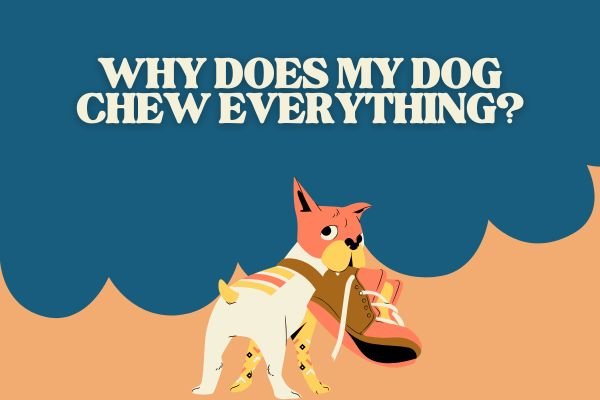
For many pet owners, the sight of a shredded shoe, a gnawed-on table leg, or a torn-up piece of clothing is an all too familiar experience. A dog’s instinct to chew is as natural as their wagging tail, but when this behavior becomes destructive, it can quickly transform from a minor annoyance into a serious problem. The common frustration is the belief that the dog is acting out of spite or misbehavior. The truth, however, is far more complex and often reveals a deeper, unmet need in the animal.
Understanding the root cause of destructive dog chewing is the single most important step in finding a solution. A dog that is chewing everything is not doing so to be “naughty”; they are communicating a need for more stimulation, a way to cope with anxiety, or a response to an underlying physical discomfort. By shifting our perspective from one of punishment to one of proactive management and training, we can effectively address the behavior, leading to a more harmonious home and a much happier, more balanced pet.
The “Normal” Reasons for Chewing
It is crucial to first understand that chewing is an entirely normal and necessary dog behavior. For some dogs, the chewing is not a problem at all; it is simply part of their natural instinct.
Puppy Teething
For puppies, chewing is an essential part of their development. Much like human babies, puppies feel discomfort as their baby teeth fall out and their adult teeth grow in. Chewing provides a natural way to relieve the soreness and pressure in their gums. This period typically lasts from around 3 to 7 months of age, and during this time, a puppy’s urge to chew will be at its peak. Providing them with a variety of appropriate chew toys is the best way to satisfy this instinct and redirect their behavior away from your furniture.
Exploration and Learning
Dogs, especially young ones, use their mouths to explore the world around them. It is how they learn about the textures, shapes, and properties of objects. Much like a human baby who puts everything in their mouth, a dog’s oral exploration is a primary way of understanding their environment. This is a normal, healthy part of their cognitive development and should be encouraged with safe, appropriate toys.
Natural Instincts
Chewing is a primal behavior that serves several purposes. It helps to keep a dog’s jaws strong and their teeth clean. In the wild, canines would chew on bones and other objects to maintain their dental hygiene. In a domestic setting, this instinct remains, and providing a safe outlet for it is crucial. Chewing also serves as a form of play and is a natural way for a dog to relieve stress and burn off excess energy.
The “Problem” Reasons for Excessive Chewing
While some chewing is normal, a dog that is chewing on everything in sight, from furniture to shoes to walls, is doing so for a specific, usually problematic, reason. Identifying the cause is the key to finding the right solution.
Boredom and Lack of Stimulation
A dog with pent-up energy, both mental and physical, will find a way to release it. If they are not getting enough exercise or mental stimulation, they will create their own entertainment, and destructive chewing is a common symptom. A dog left alone in a yard for hours with no toys or a dog that is only taken on short walks is a prime candidate for this type of behavior. Chewing provides a release for their frustration and a way to burn off energy.
Anxiety and Fear
Chewing is a powerful coping mechanism for a dog experiencing anxiety. It can be a way for them to self-soothe and relieve stress.
- Separation Anxiety: This is a serious condition that can be the sole cause of destructive chewing. A dog with separation anxiety feels a true sense of panic when left alone. The chewing is a desperate attempt to cope with this panic. The key indicator is that the chewing and other destructive behaviors (like barking or pacing) only happen when you are not home. It is not an act of revenge; it is a sign of extreme distress.
- Fear-Related Chewing: A dog that is fearful of loud noises (thunder, fireworks), new people, or unfamiliar situations may resort to chewing to relieve their stress. This is often a reaction to an external stimulus that makes them feel unsafe.
Attention-Seeking Behavior
If a dog learns that chewing on something they shouldn’t gets a reaction from their owner, they may repeat the behavior for the attention it provides. Even a negative reaction, like yelling or chasing them, is still a form of attention. The dog learns that chewing a shoe is a surefire way to get a response from their human, and they will continue to do it for that reward.
Underlying Medical Conditions
While less common, destructive chewing can be a symptom of a medical issue. A dog that is chewing on non-food items (a condition known as pica) may have a nutritional deficiency or an underlying medical problem that needs to be addressed. Similarly, a dog that is chewing on their paws or tail may be doing so out of pain from an allergy or a skin condition. Dental pain is another common culprit. A dog with a sore or loose tooth may try to find relief by chewing on things.
Also check: How to Stop Your Dog From Excessive Barking Without Yelling
Actionable Solutions and Prevention Strategies
Once you have identified the likely cause of the destructive chewing, you can begin to implement a strategy to solve it. The most effective methods are proactive, not reactive.
The “Do’s”: Positive Reinforcement
The focus should be on teaching your dog what they should chew, not just punishing them for what they shouldn’t.
- Provide Appropriate Chew Toys: This is the most crucial step. Provide a variety of chew toys with different textures and materials (hard rubber toys like Kongs, soft rope toys, flavored nylon bones). Rotate the toys to keep them interesting and fresh. When your dog starts to chew something they shouldn’t, calmly say “leave it” and immediately offer them an appropriate chew toy. Praise them when they take it.
- Create a “No-Chew” Zone: Dog-proof your home. Put away all valuable items, shoes, and anything else you don’t want your dog to chew on. Use a crate when you cannot supervise them. A crate provides a safe space and prevents destructive behavior when you are away.
- Increase Exercise and Mental Stimulation: A tired dog is a well-behaved dog. Ensure your dog is getting enough physical exercise for their breed. For highly energetic dogs, this may mean a long walk or run every day. Mental stimulation is just as important. Use puzzle feeders, engage in training sessions, or play games like hide-and-seek with their toys to keep their minds active.
The “Don’ts”: Avoid Counterproductive Methods
Never, under any circumstances, resort to yelling, hitting, or rubbing your dog’s nose in the mess. These methods are not only cruel but also completely ineffective. They do not teach the dog anything other than to fear you. They do not solve the root cause of the behavior and can lead to an increase in anxiety and a breakdown in trust.
Managing Anxiety
For dogs with separation or fear-related anxiety, management and training are the keys to a solution.
- For Separation Anxiety: Start with short departures. Leave for just a few seconds and return before the panic sets in. Gradually increase the time you are away. Use a camera to monitor your dog’s behavior while you are gone. A certified professional behaviorist can provide a tailored plan for severe cases.
- For Fear-Related Chewing: Identify the trigger and work on desensitization. If they are afraid of thunder, provide a safe, quiet space for them during a storm and use a white noise machine to help muffle the sound.
When to Seek Professional Help
While many cases of destructive chewing can be solved with the methods above, some situations require the guidance of a professional.
- Rule Out Medical Issues: If the chewing is a new behavior or is accompanied by other symptoms like lethargy, changes in appetite, or lameness, it is crucial to schedule an appointment to rule out any underlying medical problems.
- Severe Anxiety: If the destructive chewing is severe and is clearly a symptom of separation anxiety, it is highly recommended to seek the help of a certified professional dog trainer or a behaviorist. They can provide a personalized plan and guide you through the process of helping your dog cope with their panic.
- Persistent Behavior: If you have been consistently trying these methods for several weeks and are not seeing any improvement, it is a sign that the root cause is more complex and requires professional intervention.
Destructive dog chewing is a behavior that requires patience, understanding, and a willingness to work with your dog, not against them. By looking beyond the torn-up shoe and asking “why,” you can uncover the underlying need and provide the right tools and training to satisfy it. The result is a more peaceful home, a stronger bond, and a truly content companion who has no need to chew on anything but their favorite toys.