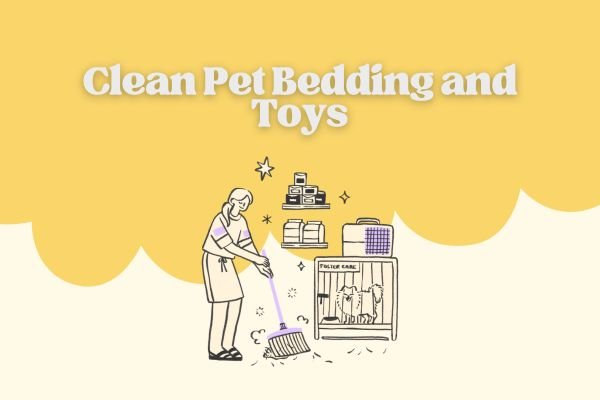
Pets spend hours sleeping on their beds, cuddling with blankets, and playing with toys. Over time, these items collect dirt, saliva, oils, bacteria, and odors that can affect both your pet’s health and your home’s cleanliness. Learning how to clean your pet’s bedding and toys the right way keeps your environment fresh, reduces allergens, and helps your pet stay healthy and comfortable.
Why Cleaning Pet Bedding and Toys Is Essential
Your pet’s favorite bed or plush bear may seem harmless, but over time these items can trap harmful substances.
Germs, Bacteria & Parasites
Bedding and toys collect:
- Saliva
- Skin oils
- Dirt from outdoors
- Flea eggs
- Dust mites
- Bacteria such as E. coli and staph
If not cleaned properly, these pollutants can trigger infections, allergies, or digestive issues.
Allergens & Odor Sources
The main causes of persistent “pet odor” are:
- Dander buildup
- Dampness or drool
- Urine spots
- Food residue on toys
Regular cleaning eliminates these odor-causing compounds naturally.
Types of Pet Bedding and How to Clean Each One
Not all pet beds can be tossed into the washing machine. Understanding which method fits helps extend the life of your pet’s bedding.
Machine-Washable Bedding
Most modern beds include:
- Removable covers
- Polyester filling
- Cotton fabrics
These are the easiest to clean.
Steps:
- Remove the cover and shake outdoors.
- Pre-treat stains using vinegar + baking soda.
- Wash on a gentle cycle with hot water to kill bacteria.
- Use fragrance-free detergent.
- Air dry to maintain shape.
Foam & Orthopedic Beds
These beds cannot usually be machine washed.
How to clean:
- Remove the outer cover and wash separately.
- Fill a bathtub with warm water + mild castile soap.
- Submerge the foam bed and press to release dirt.
- Rinse thoroughly.
- Air dry in a ventilated area for 24–48 hours.
Never use high heat—it warps foam.
Waterproof or Outdoor Pet Beds
These often trap moisture inside.
Cleaning tips:
- Spray with vinegar + water.
- Wipe down using a microfiber cloth.
- Ensure beds fully dry to prevent mildew.
Choosing the Right Cleaning Products
Not all cleaners are pet-safe—some may irritate skin or lungs.
Pet-Safe Detergents
Choose:
- Hypoallergenic
- Dye-free
- Fragrance-free
- Plant-based detergents
Artificial fragrances can cause itching, sneezing, or skin irritation.
Natural Alternatives
Safe DIY cleaning agents:
- White vinegar (neutralizes odors)
- Baking soda (absorbs smells and stains)
- Castile soap (gentle, plant-based)
- Hydrogen peroxide (3%) for disinfecting tough stains
Dangerous Chemicals to Avoid
Never use:
- Bleach
- Phenols
- Ammonia
- Fabric softeners
- Scent beads
These can leave toxic residue that irritates your pet’s skin or paws.
Step-by-Step Guide: Washing Pet Bedding Properly
1. Pre-Treat Stains
Mix:
- 2 tbsp baking soda
- 1 tbsp water
- 1 tbsp vinegar
Apply the foamy paste to stains. Let sit 10–20 minutes.
2. Machine Washing Techniques
- Use hot water for sanitizing (unless fabric tag warns otherwise).
- Add ½ cup vinegar to the rinse cycle.
- Wash bedding separately—pet hair clogs laundry.
- Use an extra rinse cycle for sensitive pets.
3. Drying Bedding the Right Way
- Air dry larger beds to prevent shrinking.
- Use low heat if machine drying.
- Add wool dryer balls (no scented sheets!) to fluff fabric.
How Often Should You Clean Your Pet’s Bedding?
Cleaning frequency depends on lifestyle and shedding.
Once a Week
Recommended for:
- Dogs who go outdoors
- Pets with allergies
- Cats who shed often
Every 2 Weeks
Works for:
- Indoor-only cats
- Low-shedding dogs
Monthly
OK for:
- Secondary blankets
- Spare beds
Frequent washing improves hygiene and reduces home odors.
Cleaning Soft Pet Toys
Soft toys accumulate saliva and bacteria quickly.
Machine-Washing Plush Toys
If a label says machine-safe:
- Place toys in a mesh laundry bag
- Use hot water
- Use mild detergent
- Add vinegar to disinfect naturally
- Air dry to preserve shape
Hand-Washing Plush Toys
For delicate or squeaky toys:
- Fill sink with warm water + castile soap
- Soak 10 minutes
- Scrub gently
- Rinse until water is clear
- Dry completely before use
Damp toys grow bacteria!
Cleaning Hard Pet Toys
Hard toys trap drool and dirt inside cracks.
Deep Cleaning Rubber Toys
Best for Kong, rubber bones, or balls:
- Mix warm water + vinegar (1:1)
- Soak toys 20 minutes
- Scrub using a bottle brush
- Rinse thoroughly
Treat-Dispensing Toys
Toys with food residue must be cleaned carefully.
Steps:
- Remove leftover food.
- Use a brush to scrub inside.
- Soak in warm soapy water.
- Rinse until clean.
- Air dry upside down.
Natural Cleaning Solutions for Pet Bedding & Toys
Vinegar Solutions
Mix:
- 1 cup vinegar
- 2 cups warm water
Spray on fabrics or toys to neutralize odors.
Baking Soda Paste
Best for urine stains and drool marks.
Recipe:
- 2 tbsp baking soda
- 1 tsp water
Apply, sit 20 minutes, wipe.
Lemon & Castile Soap Mix
Great for toys and bowls.
- 1 tbsp castile soap
- 1 tbsp lemon juice
- 1 quart warm water
Not for cats (citrus sensitivity).
Preventing Pet Bedding Odors Between Washes
Daily Sprays & Refreshers
Use a natural deodorizing spray:
- Water
- Vinegar
- A few drops of pet-safe lavender (dogs only)
Spray lightly between washes.
Proper Ventilation
Sunlight kills odor-causing bacteria.
Place beds near windows or outdoors once a week.
Also check: How to Reduce Pet Odor Naturally at Home
Signs It’s Time to Replace Bedding or Toys
Cleaning isn’t always enough.
Torn Seams & Damaged Foam
Your pet may ingest stuffing—dangerous for digestion.
Mold or Lingering Odors
Once mold sets in, it’s safest to replace the item.
FAQs
1. Can I use bleach to clean pet bedding?
No—bleach is harsh, toxic, and can irritate skin and paws.
2. How do I remove urine smell naturally?
Use vinegar + baking soda + hot water wash.
3. Are dryer sheets safe for pet bedding?
No. Residue can irritate skin and cause allergies.
4. How often should toys be cleaned?
Weekly for hard toys; every 1–2 weeks for soft toys.
5. Can I put squeaky toys in the washer?
Yes, if labeled machine-safe. Otherwise hand-wash gently.
6. What if my pet has skin allergies?
Use hypoallergenic detergent and rinse twice.
Conclusion
Keeping your pet’s bedding and toys clean is one of the easiest ways to promote hygiene, reduce odors, and protect your furry friend’s overall health. With natural cleaners, consistent routines, and the right techniques, you can maintain a fresh, safe environment without harsh chemicals.
A clean space means a happier home—for both you and your pet.