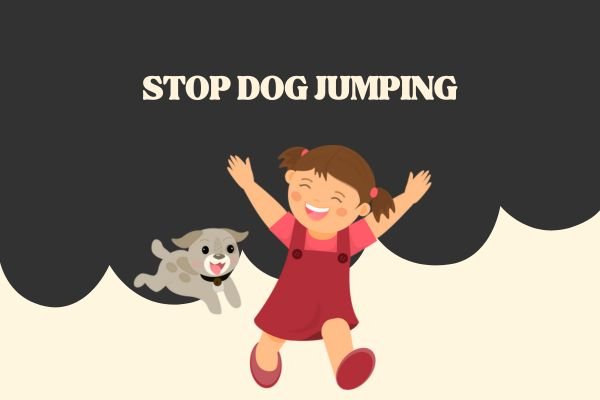
Dogs jump on people because they’re excited, eager, and naturally social creatures—but for guests, it can be overwhelming or even unsafe. Whether you’re dealing with a large dog who could knock someone down or a small pup who simply can’t contain their enthusiasm, learning how to stop your dog from jumping on guests is essential for manners, safety, and stress-free greetings.
This step-by-step guide teaches you proven training methods, explains why dogs jump, and gives you practical daily routines to encourage polite, calm behavior whenever someone walks through your door.
Why Dogs Jump on People
Understanding the why behind the jumping makes training easier.
Attention-Seeking Behavior
Dogs quickly learn:
- Jump = attention
- Attention = reward
Even if you say “no” or push them away… that’s still attention.
Overexcitement & Poor Impulse Control
Young dogs often struggle with impulse control. Jumping is an expression of excitement and greeting behavior.
Lack of Training Boundaries
Many dogs are never taught what an appropriate greeting looks like.
Jumping becomes their default habit.
Why It’s Important to Address Jumping Early
Injury Risks
Jumping can cause:
- Scratches
- Accidental falls
- Tripping hazards
- Harm to children & seniors
Reinforcing Bad Habits
The longer jumping goes uncorrected, the harder it is to change.
Stopping it early builds a lifetime of polite greetings.
🪜 Step-by-Step Guide to Stop Dog Jumping
These methods build calm habits your dog will use automatically.
Step 1 – Teach the “Sit to Greet” Rule
Dogs can’t jump and sit at the same time.
Teach them that sitting earns attention.
How to train:
- Ask your dog to sit.
- Reward immediately.
- Add small distractions.
- Practice near the entryway.
Make “sit” the default greeting behavior.
Step 2 – Ignore Jumping Completely
Dogs jump because humans reinforce it.
To stop it:
- Do not touch
- Do not speak
- Do not look
Turn slightly away and wait for calm behavior.
Reward the moment all four paws are on the ground.
Step 3 – Reward Calm Behavior Only
Any excitement—wiggling, barking, jumping—should not earn attention.
Reward moments of:
- stillness
- sitting
- quiet behavior
Dogs learn calm = reward.
Step 4 – Use a Leash for Door Greetings
Before opening the door:
- Leash your dog
- Ask for a sit
- Only open door if they remain calm
This lets you control the greeting without the dog rushing the guest.
Step 5 – Practice With Simulated Guests
Recruit:
- friends
- family
- neighbors
Practice short sessions:
- knock → sit → treat
- doorbell → sit → treat
This builds real-world reliability.
Training Techniques That Work Quickly
The “Four on the Floor” Method
Reward whenever all paws stay on the ground.
To use:
- toss a treat to the floor
- praise “Yes!” when dog stays grounded
This encourages staying low instead of jumping.
The “Turn and Freeze” Method
If the dog starts jumping:
- Turn your body away
- Fold arms
- Stand still
Resume interaction only when they calm down.
Teaching an Automatic Sit
This is a game-changer.
Steps:
- Reward your dog every time they sit calmly, even if you didn’t ask.
- They’ll start offering the sit automatically.
Automatic sit = polite greeting every time.
Managing the Environment During Training
Use Baby Gates or Playpens
Create a buffer zone to prevent rushing toward the door.
Good for:
- high-energy dogs
- puppies
- multi-dog homes
Keep High-Energy Dogs Busy Before Guests Arrive
Give your dog:
- a walk
- puzzle toys
- sniffing games
- fetch sessions
A tired dog is a calmer greeter.
Use Controlled Leash Greetings
Let guests approach slowly while your dog sits on leash.
Reward calm behavior throughout the interaction.
Fixing Jumping in Different Situations
Jumping on Guests at the Door
Steps:
- Put dog on leash.
- Ask for sit.
- Guest enters calmly.
- Reward only if dog stays sitting.
Repeat often.
Jumping on Guests Inside the Home
Use:
- place training (“go to mat”)
- baby gates
- tethering during visits
Teach the dog to settle in a designated spot.
Jumping on Walks or in Public
Outdoors has more distractions, so use high-value treats.
Practice:
- loose-leash walking
- sit when people approach
- focus exercises (“watch me”)
Common Mistakes Owners Make
Pushing the Dog Away
Dogs interpret pushing as:
- play
- touch
- attention
This reinforces jumping.
Inconsistent Rules
If one person allows jumping while others don’t, training collapses.
All family members and guests must follow the same rules.
Overexciting Greetings
High-pitched voices increase your dog’s arousal.
Use:
- calm tone
- slow movements
- steady energy
You set the mood.
Special Advice for Puppies & High-Energy Breeds
Short Training Sessions
Puppies can only focus for 5–10 minutes at a time.
Extra Exercise Needs
High-energy breeds (Labs, Huskies, Shepherds) need:
- long walks
- playtime
- enrichment games
Exercise reduces jumping dramatically.
Tools & Accessories That Can Help
Front-Clip Harness
Gives better control at the door.
Treat Pouches
Keep rewards ready for fast timing—which is crucial for learning.
Also check: How to Train a Stubborn Dog
When to Seek Professional Help
Call a trainer if:
- your dog jumps aggressively
- behavior hasn’t improved after weeks of training
- jumping is mixed with anxiety or fear
A certified behaviorist can create a custom training plan.
FAQs
1. How long does it take to stop jumping?
With consistency, most dogs improve in 1–3 weeks.
2. Should I say “no” when my dog jumps?
No—ignore the behavior instead.
3. Do large dogs learn differently from small dogs?
No, but training is more important because the risks are higher.
4. What if my dog only jumps on certain people?
Practice with volunteers to generalize polite behavior.
5. Can treats help fix jumping?
Yes—rewarding calm behavior is key.
6. Is jumping ever a medical issue?
Rarely, but extreme excitement can signal anxiety.
Conclusion
Stopping your dog from jumping on guests takes patience, practice, and consistent rules—but it’s absolutely achievable. By redirecting jumping into calm behaviors, managing your environment, and rewarding polite greetings, you’ll create a well-mannered dog who greets guests with confidence and calmness.
With clear communication and positive reinforcement, you can transform chaotic greetings into peaceful, friendly interactions your guests will appreciate—and your dog will enjoy.