For many pet owners, the sight of a couch covered in pet hair or a tumbleweed of fur rolling across the floor is a familiar part of life. Pet shedding is an unavoidable reality for most breeds, a natural and essential biological process that keeps an animal’s coat healthy and functioning properly. While it can seem like a never-ending battle, it is not a war that needs to be fought with frustration. Instead, by understanding the science behind shedding and implementing a proactive, multi-pronged strategy, you can significantly reduce the amount of loose hair in your home and, in turn, create a cleaner, more comfortable living environment for both you and your furry companion.
Successfully managing shedding is a holistic process that involves two key components: addressing the shedding at its source through proper grooming and nutrition, and implementing effective cleaning strategies to manage the hair that does get loose. This comprehensive guide will walk you through the why and the how, empowering you to move from a state of constant cleanup to one of proactive maintenance, ensuring a healthier coat for your pet and a more hair-free home for your family.
Understanding Why Pets Shed: The Science Behind the Fur
Before we can tackle pet shedding, it is important to understand why it happens in the first place. Shedding is not a sign of poor health; in fact, for most pets, it is a healthy and necessary part of their life cycle.
The Natural Hair Growth Cycle
A pet’s hair goes through a continuous cycle of growth, rest, and loss. The three main phases are:
- Anagen (Growth Phase): The hair follicle is actively growing hair.
- Catagen (Transitional Phase): The hair growth slows down and the follicle shrinks.
- Telogen (Resting Phase): The hair is no longer growing and remains in the follicle until it is pushed out by a new hair, or falls out. This is the hair we see on our furniture and floors.
The length of each phase varies greatly between breeds. Breeds with continuous hair growth, like Poodles and Schnauzers, shed very little because their anagen phase is long. In contrast, breeds with a short anagen phase, like Labradors or German Shepherds, shed more frequently and in larger quantities.
The Impact of Season and Climate
Many pets, especially those with double coats, have a natural shedding cycle that is tied to the seasons. This process is known as “blowing their coat.”
- Spring Shedding: As the weather warms, pets will shed their thick winter undercoat to prepare for the summer heat. This is often the most intense shedding period of the year.
- Fall Shedding: As temperatures cool, pets will shed their lighter summer coat to make room for the new, thicker winter coat.
Understanding these natural cycles helps you anticipate heavy pet shedding periods and adjust your grooming routine accordingly.
Proactive Grooming Strategies: Minimizing Shedding at the Source
The most effective way to deal with shedding is to prevent it from overwhelming your home. This begins with a consistent and proactive grooming routine that removes loose hair before it has a chance to fall out.
The Right Tools for the Job
Having the correct brushes for your pet’s specific coat type is the first step to success.
- Slicker Brush: Best for dogs with medium to long coats. It has fine, short wires packed closely together and is excellent for removing mats and tangles.
- Bristle Brush: Ideal for short-haired breeds with smooth coats. It helps to distribute natural oils and give the coat a healthy shine.
- Rubber Curry Comb or Glove: Perfect for short-haired dogs like Boxers or Pit Bulls. The rubber nubs massage the skin and effectively pull loose hair from the coat.
- Undercoat Rake: A must-have for double-coated breeds like Siberian Huskies or German Shepherds. The rake reaches deep into the undercoat to pull out loose, dead hair.
- Deshedding Tools: Tools like the FURminator are specifically designed to remove the undercoat with minimal effort. While highly effective, they must be used carefully to avoid scratching the skin.
The Right Brushing Frequency
The frequency of brushing depends on the pet’s coat type. Consistency is more important than duration.
- Short-Haired Breeds: A quick brush two to three times a week is often sufficient.
- Long-Haired Breeds: These breeds require daily brushing to prevent mats and to keep shedding under control.
- Double-Coated Breeds: During the “blowing their coat” seasons (spring and fall), daily brushing with an undercoat rake is essential. During the rest of the year, a few times a week is often enough.
Bathing and Proper Shampoo
Bathing can also be a valuable tool in your fight against pet shedding.
- Frequency: Most dogs do not need to be bathed more than once every four to six weeks unless they get particularly dirty. Over-bathing can strip their skin of natural oils and cause irritation.
- Deshedding Shampoo: Using a shampoo and conditioner specifically designed for deshedding can help loosen the dead hair. They are often formulated with ingredients that promote a healthy coat.
- The Right Technique: When bathing, gently massage the shampoo deep into the coat to loosen the dead hair. After rinsing, a thorough brushing while the coat is still damp can remove a significant amount of loose hair.
The Role of Nutrition
What goes into your pet’s body has a direct impact on the health of their skin and coat.
- Healthy Diet: A complete and balanced diet is the foundation of a healthy coat. A high-quality food provides the essential vitamins and minerals needed for a strong and healthy hair follicle.
- Omega Fatty Acids: Supplements and foods rich in Omega-3 and Omega-6 fatty acids, such as fish oil, can dramatically improve a pet’s skin health and reduce excessive shedding. These fatty acids help to reduce inflammation and keep the coat shiny and full.
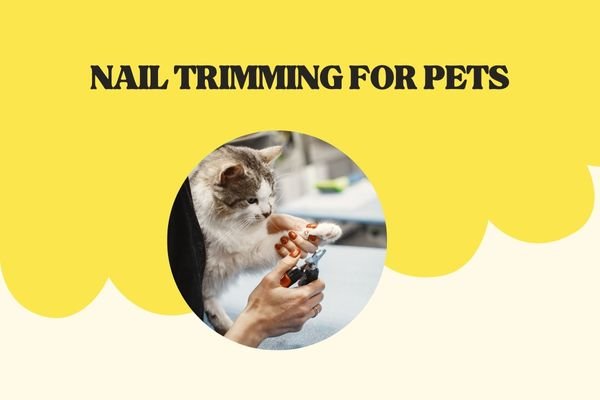
Also check: Nail Trimming for Pets
Strategies for a Cleaner Home: Managing the Shedding
Even with a proactive grooming routine, some pet shedding is unavoidable. The next step is to equip your home with the right tools and strategies to manage the hair that gets loose.
The Right Cleaning Tools
Not all vacuum cleaners and cleaning supplies are created equal when it comes to pet hair.
- Pet-Specific Vacuum Cleaners: Look for a vacuum cleaner with a powerful motor, a HEPA filter to trap dander and allergens, and a beater brush specifically designed to lift pet hair from carpets and upholstery. Attachments for corners and furniture are also essential.
- Rubber Broom or Squeegee: A rubber broom is surprisingly effective at pulling pet hair from carpets and rugs, as the rubber creates a static cling that clumps the hair together. A squeegee can also be used on upholstery to gather hair.
- Microfiber Cloths: Microfiber cloths are excellent for dusting and wiping down surfaces, as the fibers trap hair and dander rather than just pushing it around.
Preventive Measures
A few simple changes can make a big difference in reducing the amount of hair that collects in your home.
- Furniture Covers: Using washable slipcovers or blankets on couches and chairs can protect your furniture from hair and dander.
- Wash Pet Bedding Frequently: Pet beds and blankets are a prime collection point for loose hair. Washing them on a hot cycle weekly can help.
- Air Purifiers: An air purifier with a HEPA filter can help trap airborne hair and dander, improving the overall air quality in your home.
- Flooring: Hardwood, tile, or laminate flooring is much easier to clean than carpet when it comes to pet hair.
Strategic Cleaning
Instead of feeling overwhelmed by pet hair, adopt a strategic cleaning routine.
- Frequent, Short Sessions: It is much easier to manage pet hair by vacuuming or sweeping frequently for a few minutes each day than by waiting for a deep clean once a week.
- Target Hotspots: Focus your cleaning efforts on the areas where your pet spends the most time, such as their favorite bed, the couch, or a specific spot on the carpet.
- Start High, Go Low: When dusting or cleaning, start from the top of the room and work your way down. Dust will fall to the floor, where it can be vacuumed up at the end.
When to Be Concerned: Signs of Excessive Shedding
While pet shedding is normal, a sudden and excessive increase in hair loss can be a sign of an underlying health problem. It is crucial to know when to be concerned and seek professional advice.
Health Problems That Cause Shedding
Excessive shedding can be a symptom of a wide range of medical issues, including:
- Allergies: Environmental or food allergies can cause skin irritation, leading to scratching, licking, and hair loss.
- Parasites: Fleas, mites, and other external parasites can cause significant itching and hair loss.
- Hormonal Imbalances: Conditions like hypothyroidism or Cushing’s disease can affect the hair growth cycle and lead to a thinning coat.
- Nutritional Deficiencies: A diet that lacks essential fatty acids, proteins, or vitamins can cause a poor-quality coat and excessive shedding.
- Stress and Anxiety: A pet that is under stress can exhibit behaviors like excessive licking or chewing, which can cause hair loss in that area.
Other Symptoms to Watch For
If your pet’s shedding is accompanied by any of these symptoms, it is time to seek professional advice:
- Patches of baldness or a significantly thinning coat.
- Red, inflamed, or scaly skin.
- Sores, scabs, or a bad odor from the skin.
- Sudden changes in appetite or energy levels.
- Excessive licking or chewing in a specific spot.
The battle against pet shedding is a marathon, not a sprint. By adopting a proactive and consistent approach that combines a healthy diet, a regular grooming routine, and smart cleaning strategies, you can minimize the amount of hair in your home and maintain a healthy, beautiful coat for your beloved companion. The small amount of effort you put in each day will be rewarded with a cleaner home and a happier, healthier pet.