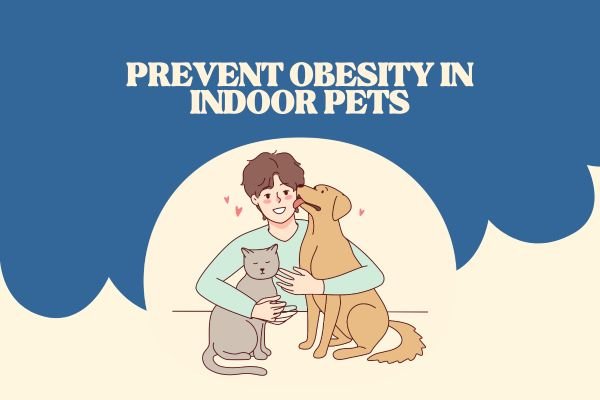
Indoor pets enjoy cozy naps, comfy beds, and easy access to food—but these comforts can sometimes lead to unwanted weight gain. Obesity is one of the most common health problems in domesticated dogs and cats, especially those who spend most or all of their time indoors. The great news is that preventing obesity in indoor pets through diet is completely achievable with the right strategies.
Why Indoor Pets Are Prone to Obesity
Indoor pets simply burn fewer calories than pets who spend time outside.
Reduced Activity Levels
Most indoor pets nap for hours, roam only short distances, and lack vigorous playtime.
A dog that would naturally explore outdoors may only walk to the food bowl, while cats that would normally hunt now sit on windowsills.
Grazing & Free-Feeding Habits
Leaving food out all day leads to:
- overeating
- boredom feeding
- inconsistent digestion
Indoor pets rarely self-regulate.
High-Calorie Commercial Foods
Many pet foods are rich in:
- carbs
- fillers
- fats
This can lead to slow, steady weight gain when combined with low activity.
Signs Your Indoor Pet May Be Overweight
Rib Test & Body Condition Score
You should:
- Feel ribs with light pressure
- See a slight waist from above
- Notice a tummy tuck from the side
Too much padding = early overweight.
Breathing & Mobility Issues
Other signs include:
- Slow walking
- Difficulty jumping
- Snoring
- Rapid breathing after mild exercise
These indicate a need for a diet adjustment.
The Role of Diet in Preventing Obesity
Diet is the foundation of healthy weight management.
Understanding Pet Nutrition Basics
Pets need balanced:
- Protein: Muscle maintenance
- Fats: Energy & coat health
- Fiber: Digestion & fullness
Indoor pets often benefit from higher protein and higher fiber to feel full without excess calories.
Choosing High-Quality Foods
Look for:
- Named protein (chicken, salmon, beef)
- Low fillers (corn, soy, wheat)
- No artificial preservatives
- Transparent ingredient lists
Avoid foods with vague ingredients like “meat by-product.”
Portion Control for Indoor Pets
Most obesity cases come down to portion management.
Calculating Daily Calories
Ask your vet or use online calorie calculators.
General guideline:
- Cats: 20 calories per pound
- Dogs: 25–30 calories per pound (varies by breed & age)
Feeding Schedules
Structured meal times help:
- regulate metabolism
- prevent accidental overfeeding
- reduce begging behaviors
Feed adults:
- Dogs: 2 meals/day
- Cats: 2–3 measured meals/day
Avoid free-feeding unless medically required.
Choosing the Right Type of Food
Some food types naturally support weight control.
Low-Calorie or Weight-Management Foods
Ideal for:
- sedentary pets
- pets 15% over ideal weight
- senior indoor animals
These foods have:
- fewer calories
- higher fiber
- lean proteins
Wet Food Benefits for Indoor Cats
Wet food:
- is lower in carbs
- provides hydration
- reduces overeating
Cats are less likely to gorge on wet food compared to dry kibble.
Healthy Treat Strategies
Treats are a major source of hidden calories.
Low-Calorie Treat Options
Offer:
- small carrots
- green beans
- cucumber
- freeze-dried meat bits
- tiny training treats
Training Without Excessive Treats
Use:
- verbal praise
- petting
- play rewards
Treats should make up no more than 10% of daily calories.
Special Dietary Considerations for Indoor Cats
Cats are more prone to obesity than dogs, especially indoor ones.
High-Protein, Low-Carb Diets
Cats are obligate carnivores.
Too many carbs = weight gain + low energy.
Choose foods with:
- 35–50% protein
- minimal grains
- high moisture
Preventing Overgrooming & Boredom Eating
Signs of boredom:
- overgrooming
- overeating
- nighttime begging
Provide:
- climbing towers
- window perches
- laser play sessions
Special Dietary Considerations for Indoor Dogs
Dogs vary widely by breed, age, and size, but diet remains key.
Lean Proteins & Complex Carbs
Great food combinations include:
- chicken + sweet potato
- salmon + brown rice
- turkey + vegetables
Protein supports muscle; carbs provide clean energy.
Slowing Down Fast Eaters
Fast eating → bloating, indigestion, overeating.
Use:
- slow-feeder bowls
- puzzle feeders
- snuffle mats
How Exercise Supports a Healthy Diet
Diet alone isn’t enough—movement matters.
Play Routines for Cats
Try:
- wand toys
- laser sessions
- puzzle feeders
- climbing towers
Aim for two 10-minute play sessions a day.
Walks & Mental Stimulation for Dogs
Combine:
- standard walks
- sniffing sessions
- training exercises
- short backyard games
Mental activity burns calories surprisingly well.
How to Create a Long-Term Weight Prevention Plan
Weekly Weigh-Ins
Use a pet scale or hold your pet and subtract your own weight.
Adjust Food According to Life Stage
- Puppies/kittens: high calorie
- Adults: maintenance
- Seniors: lower calorie, higher fiber
Keep a Feeding Log
Track:
- food amount
- treats given
- weight changes
This ensures consistency.
Common Mistakes Owners Make
Free Feeding
Never ideal for indoor pets.
Overusing Treats
Even healthy treats add up.
Sharing Human Food
Most human foods are:
- too fatty
- too salty
- full of calories
Avoid table scraps entirely.
Also check: Dog vs. Cat Nutrition
When to Consult a Veterinarian
Some weight issues aren’t caused by diet alone.
Metabolic Disorders
Possible medical causes:
- Hypothyroidism
- Cushing’s disease
- Diabetes
Professional Weight-Loss Plans
Vets may recommend:
- prescription diets
- appetite suppressants
- medical tests
- structured weight-loss plans
FAQs
1. How often should I feed my indoor pet?
Two structured meals a day is ideal.
2. Are treats necessary?
No—but you can use low-calorie treats sparingly.
3. Is wet or dry food better for weight control?
Wet food helps cats; for dogs, depends on calorie density.
4. How do I help a pet that always seems hungry?
Increase fiber and use puzzle feeders.
5. Can pets lose weight through exercise alone?
No—diet is the primary driver.
6. How quickly should my pet lose weight?
Slowly: 1–2% of body weight per week.
Conclusion
Preventing obesity in indoor pets through diet is one of the best ways to ensure a longer, healthier life. With the right food choices, structured meal times, controlled treats, and regular activity, you can keep your pet lean, energetic, and thriving.
Healthy pets are happier pets—and they enjoy more years by your side.