A pet’s coat is often the first thing we notice about them—its texture, color, and, most importantly, its luster. A shiny, healthy coat isn’t just a sign of a well-groomed pet; it’s a powerful indicator of their overall health. A dull, dry, or brittle coat, on the other hand, can be a red flag for underlying health issues, from nutritional deficiencies to skin conditions.
This article is your comprehensive guide to maintaining your pet’s coat in prime condition all year long. We’ll explore a holistic approach that goes beyond just regular grooming, covering everything from nutrition and hydration to environmental factors and preventative care. By following these vet-approved tips, you can ensure your pet’s coat remains a brilliant reflection of their inner vitality.
1. The Foundation: A High-Quality Diet
The saying “you are what you eat” is just as true for our pets. The most significant factor in maintaining a healthy coat is a complete and balanced diet. A pet’s skin and coat require a steady supply of specific nutrients to thrive.
- Protein: Keratin, the primary component of hair, is a protein. A diet rich in high-quality, animal-based protein is essential for strong, healthy hair growth. Look for pet foods where a named meat source (e.g., chicken, salmon, beef) is the first ingredient.
- Essential Fatty Acids: Omega-3 and Omega-6 fatty acids are the building blocks of healthy skin cells and are crucial for a shiny coat. Omega-3s, found in sources like fish oil and flaxseed, are particularly effective at reducing inflammation, which can lead to dry, itchy skin and a dull coat. Many commercial pet foods contain these fatty acids, but a supplement may be beneficial for some pets.
- Vitamins and Minerals: Vitamins A, E, and B-complex vitamins, as well as minerals like zinc and copper, play vital roles in skin health and coat maintenance. Vitamin A promotes skin cell growth, Vitamin E is a powerful antioxidant, and zinc supports immune function and cell repair.
Action Step: Consult with your veterinarian to ensure your pet’s diet is meeting all of their nutritional needs. They can help you choose the right food or recommend a high-quality supplement to address any deficiencies.
2. The Power of Hydration
Just as with humans, proper hydration is fundamental to a pet’s overall health and the condition of their skin and coat. Dehydration can lead to dry skin, which in turn causes a brittle, lifeless coat.
- Fresh Water: Ensure your pet always has access to clean, fresh water. Change the water daily and clean the bowl regularly to prevent bacteria buildup.
- Moisture-Rich Foods: If your pet isn’t a big drinker, consider incorporating wet food into their diet. Wet food has a much higher moisture content than dry kibble and can help increase their overall water intake.
- Water Fountains: Some pets are encouraged to drink more water by the movement and freshness provided by a pet water fountain.
Action Step: Monitor your pet’s water intake, especially during warmer months or after exercise. A simple way to check for dehydration is to gently pinch the skin on their neck; if it doesn’t snap back immediately, your pet may be dehydrated.
3. Grooming: The Hands-On Approach
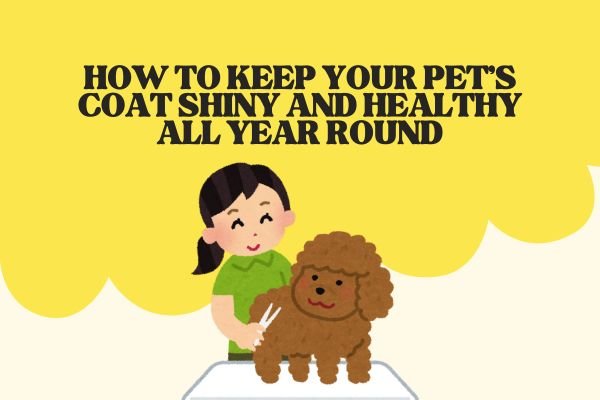
Regular grooming is not just about aesthetics; it’s a critical component of coat health. Brushing and bathing help distribute natural oils, remove dead hair, and prevent matting.
- Brushing: The frequency of brushing depends on your pet’s coat type. Long-haired breeds may need daily brushing to prevent mats, while short-haired pets may only need it a few times a week. Brushing stimulates the skin, which encourages the production of natural oils that create a healthy sheen. Use the right tools—a slicker brush for dogs with thick coats, a de-shedding tool for double-coated breeds, and a soft bristle brush for cats.
- Bathing: Bathing should be done with a pet-specific shampoo that is pH-balanced for their skin. Over-bathing can strip the natural oils from the coat, leading to dryness and irritation. The general rule is to bathe your pet no more than once a month unless they get particularly dirty. Use lukewarm water and rinse thoroughly to ensure no shampoo residue is left behind.
- Conditioning: After shampooing, a pet-safe conditioner can help restore moisture to the coat and make it easier to brush. Look for conditioners with ingredients like oatmeal or coconut oil, which are known for their moisturizing properties.
Action Step: Establish a consistent grooming routine. Make it a positive experience by using treats and praise. For breeds with complex coats, consider professional grooming to ensure their coat is cared for correctly.
4. The Role of Supplements
While a balanced diet is key, some pets may benefit from supplements, especially if they have chronic skin issues or a dull coat that isn’t responding to diet changes.
- Fish Oil: A fish oil supplement rich in EPA and DHA can dramatically improve the health and appearance of a pet’s coat. It helps reduce inflammation and can soothe dry, itchy skin.
- Coconut Oil: This versatile oil can be used both topically and orally. When added to food, it can improve digestion and coat health. Applied topically in small amounts, it can moisturize dry skin.
- Probiotics: A healthy gut microbiome is directly linked to a strong immune system and healthy skin. Probiotics can help balance the bacteria in your pet’s gut, which can lead to a healthier coat.
Action Step: Never give your pet a supplement without consulting your veterinarian first. They can help you choose the right product and dosage, as well as ensure it doesn’t interfere with any existing medications.
Also check: DIY Pet Beds That Look Gorgeous in Your Home
5. Controlling Parasites
Parasites like fleas, ticks, and mites can cause severe irritation, leading to scratching, biting, and a damaged coat. A pet’s frantic scratching can break hair, create bald spots, and even cause skin infections.
- Flea and Tick Prevention: Year-round flea and tick prevention is crucial, even for indoor pets. There are many safe and effective options, including oral medications, topical treatments, and collars.
- Mite Control: Mites, which cause conditions like mange, can also lead to severe itching and hair loss. Your veterinarian can diagnose a mite problem and prescribe a treatment plan.
Action Step: Talk to your veterinarian about the best parasite prevention products for your pet and your local climate. Consistent, year-round prevention is the key to avoiding a painful and damaging infestation.
6. Environmental Factors
Your pet’s living environment can also have a significant impact on their coat.
- Humidity: Dry air, especially in winter when indoor heating is on, can strip moisture from a pet’s skin and coat. A humidifier can help.
- Sun Exposure: Just like humans, pets can get sunburned, especially those with light-colored coats or sparse hair. While some sun is good, excessive exposure can damage their skin and coat.
- Allergens: Environmental allergens like pollen, dust mites, and mold can cause allergic reactions in pets, leading to itchy skin and a damaged coat.
- Stress: Chronic stress can negatively impact a pet’s immune system, which can manifest as skin problems and a dull coat.
Action Step: Make small adjustments to your home environment, like using a humidifier. If you suspect your pet has allergies, consult your vet to identify the allergen and create a management plan. Provide a stress-free environment by maintaining a routine and providing plenty of enrichment.
7. Regular Vet Checkups
A healthy coat is a direct reflection of a healthy body. Regular veterinary checkups are essential for detecting any underlying health issues that could be affecting your pet’s coat.
- Early Detection: Conditions like hormonal imbalances (e.g., hypothyroidism), kidney disease, or liver problems can all cause a change in coat health. A veterinarian can run diagnostic tests to identify these issues early.
- Professional Advice: Your vet is the best source of information for your pet’s specific needs. They can provide personalized advice on diet, supplements, and grooming techniques based on your pet’s breed, age, and health status.
Action Step: Do not skip your pet’s annual wellness exams. These checkups are an invaluable opportunity to discuss your pet’s coat health and address any concerns you may have.
Conclusion: A Holistic Approach to a Healthy Coat
A shiny, healthy coat is the result of a holistic approach to your pet’s well-being. It is the culmination of a high-quality, balanced diet, proper hydration, a consistent grooming routine, and a healthy living environment. While supplements and targeted treatments can be helpful, they are not a substitute for these foundational elements.
By taking a proactive, comprehensive approach, you can ensure your pet’s coat remains a beautiful and accurate indicator of their health. It’s a testament to your care and commitment, and a reward for both of you—a vibrant, happy pet with a coat that shines with vitality.