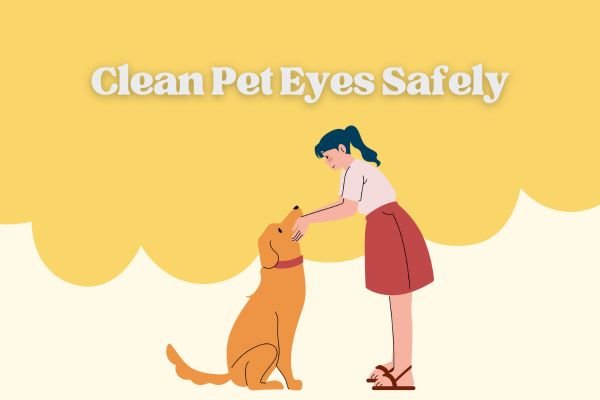
Your pet’s eyes are one of the most sensitive parts of their body—and one of the easiest to overlook in a grooming routine. Whether you have a dog prone to tear stains, a cat with occasional discharge, or a small animal with delicate facial fur, knowing how to safely clean your pet’s eyes and face is essential for their comfort, health, and hygiene.
Why Regular Eye and Face Cleaning Is Important
Tear Stains & Discharge Buildup
Most pets naturally produce tears, but when tear ducts can’t drain properly, it leads to:
- staining
- odor
- bacteria buildup
- irritation
Breeds like Poodles, Shih Tzus, and Persians are especially prone to staining.
Early Detection of Eye Issues
While cleaning, you can spot early problems such as:
- redness
- swelling
- cloudiness
- excessive tearing
Catching issues early may prevent serious infections.
Understanding the Eye Anatomy of Pets
Tear Duct Function
Tear ducts help:
- lubricate eyes
- wash away dust
- keep vision clear
When ducts are blocked, tears spill out and cause staining.
Breeds Prone to Eye Issues
Some breeds require more frequent cleaning:
- Brachycephalic breeds (Pugs, Bulldogs, Shih Tzus)
- Long-haired breeds (Maltese, Persian cats)
- Dogs with heavy wrinkles (Shar-Pei, Bulldog)
Understanding your pet’s breed helps determine cleaning needs.
Tools You Need to Clean Your Pet’s Eyes & Face
Use only pet-safe cleaning tools:
Eye Wipes & Saline Solutions
These are perfect for:
- everyday cleaning
- removing mild crust
- hydrating the eye area
Always choose fragrance-free options.
Combs, Cloths & Grooming Products
Helpful items include:
- soft washcloths
- tear-stain combs
- cotton pads (never cotton balls near the eye)
- grooming scissors with rounded tips
Avoid harsh chemicals or human soaps—they can harm your pet’s eyes.
Step-by-Step Guide: How to Clean Your Dog’s Eyes Safely
1. Preparing Your Dog
Before cleaning:
- Choose a calm environment
- Speak softly
- Use treats to build positive association
- Position your dog on your lap or at your side
A relaxed dog makes cleaning safer and easier.
2. Cleaning Tear Stains & Crust
Follow these steps:
Step A: Moisten the Area
Use a warm, damp cloth or pet-safe wipe.
Hold gently under the eye for 5–10 seconds to loosen debris.
Step B: Wipe Downward
Always wipe down and away from the eye.
Never rub side-to-side.
Step C: Remove Stubborn Crust
Use a tear-stain comb or your fingertips.
Never pull hard—soften crust first.
3. Cleaning the Face Folds (Wrinkly Breeds)
For Bulldogs, Pugs, and Shar-Peis:
- Lift each fold
- Wipe gently with pet-safe wipes
- Dry thoroughly to prevent fungal growth
- Apply vet-approved wrinkle cream if recommended
Moisture trapped in folds leads to infections.
Step-by-Step Guide: How to Clean Your Cat’s Eyes Safely
Cats are more sensitive than dogs, so approach gently.
1. Handling Your Cat Gently
- Sit with your cat on your lap
- Wrap in a towel if needed
- Avoid restraining tightly
- Use soft, slow movements
Stress makes cleaning harder.
2. Wipe, Check & Inspect
Step A: Use Warm Water or Saline
Moisten a soft cloth—not dripping wet.
Step B: Wipe Outward
Wipe from the inner corner toward the cheek.
Step C: Inspect the Eyes
Look for:
- squinting
- redness
- cloudiness
- signs of injury
Cats are silent sufferers—small symptoms matter.
Cleaning Small Pets’ Faces Safely
Rabbits & Guinea Pigs
Small pets have delicate facial structures.
Tips:
- Use only warm water or vet-safe wipes
- Never apply pressure
- Avoid getting water into nostrils
- Gently pat dry afterward
If your rabbit has ongoing eye discharge, it may indicate dental issues.
Birds
Bird facial cleaning should be minimal.
To clean:
- Dampen a cotton pad
- Gently wipe around beak & eye area
- Avoid touching the eyeball
Never use sprays or soaps.
How Often Should You Clean a Pet’s Eyes & Face?
Daily Cleaning
Recommended for:
- brachycephalic dogs
- white-coated breeds
- long-haired pets
- pets with allergies
Weekly Cleaning
Recommended for:
- medium-coated dogs
- cats without tear issues
- small pets with sensitive faces
Seasonal Needs
During allergy season or windy weather, more frequent cleaning may be needed.
Signs of Eye Problems to Watch For
Regular cleaning helps you notice abnormal symptoms.
Discharge Colors
- Clear discharge: normal
- Yellow/green discharge: infection
- Brown/red discharge: tear staining or irritation
Redness, Squinting, Cloudiness
These may point to:
- conjunctivitis
- dry eye
- corneal ulcers
- allergies
- glaucoma
Seek a vet’s help if symptoms persist.
Home Remedies: What’s Safe and What’s Not
✔️ Safe Options
- Warm water
- Pet-safe saline solution
- Vet-recommended tear-stain removers
- Warm compresses for minor irritation
❌ Unsafe Products
Never use:
- human eye drops
- hydrogen peroxide
- alcohol wipes
- essential oils
- shampoos or soaps
These can cause severe irritation or injury.
Also check: How to Reduce Pet Odor Naturally at Home
Preventing Future Eye & Face Issues
Grooming Around the Eyes
Trim long hair that:
- enters the eye
- causes irritation
- traps moisture
Use rounded scissors or visit a groomer.
Allergy Management
Reduce allergens by:
- dusting regularly
- using air purifiers
- avoiding smoky fragrances
- choosing hypoallergenic bedding
Allergies are a major cause of tear overflow.
FAQs
1. Can I use human eye drops for my pet?
No—only use veterinary-approved solutions.
2. My dog has constant tear stains. Are they normal?
Common but not always normal. It could be poor tear drainage.
3. How do I clean stuck-on crust safely?
Use a warm compress to soften before wiping.
4. Should cleaning be painful for my pet?
Never. If your pet reacts strongly, see a vet.
5. Can I clean my pet’s face daily?
Yes—especially for breeds prone to staining.
6. Is tear staining harmful?
Not usually, but it can indicate underlying issues.
Conclusion
Learning how to safely clean your pet’s eyes and face is a simple habit that makes a huge difference in their comfort and long-term health. With gentle techniques, the right tools, and breed-specific care, you can prevent infections, reduce staining, and keep your pet looking and feeling their best.
Healthy eyes are happy eyes—and your pet deserves the best care you can give.